
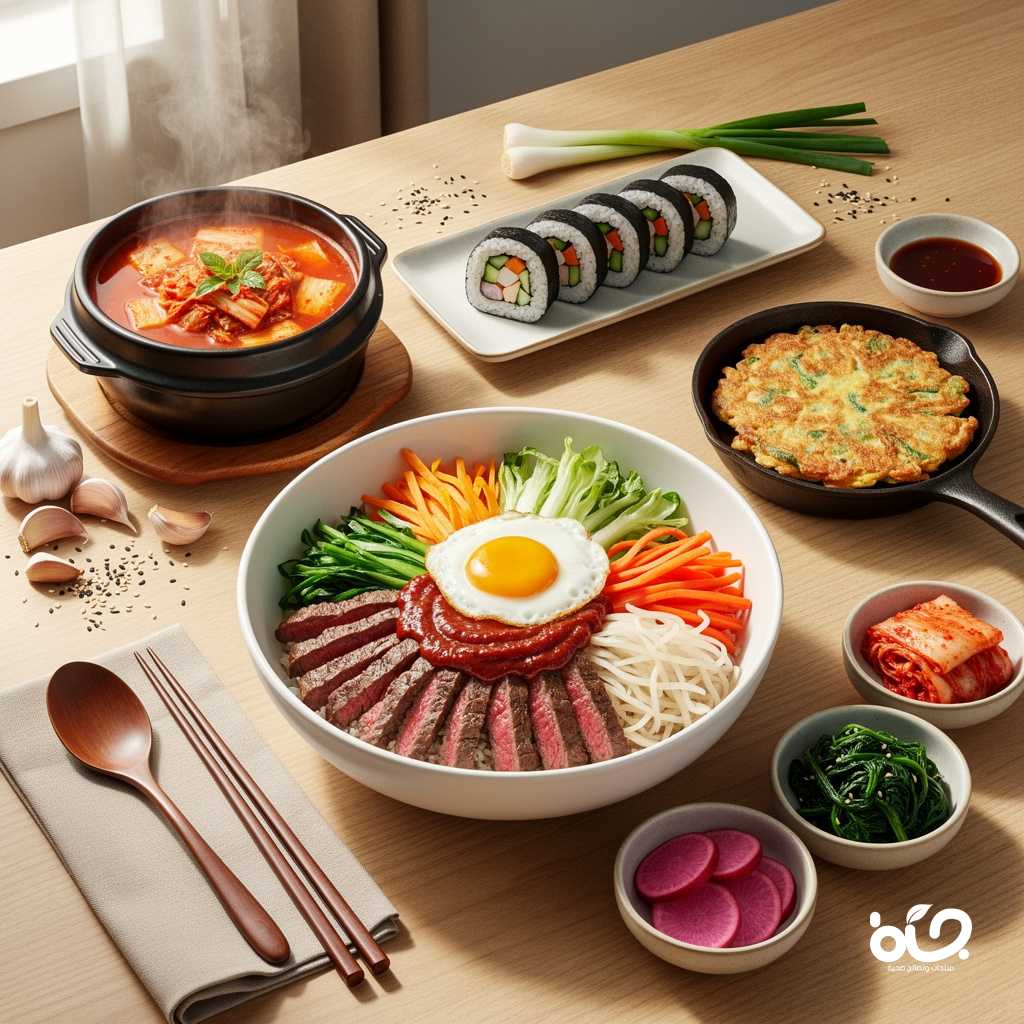
Korean cuisine is one of the most exciting food traditions in the world. Built on a foundation of bold fermented flavors, aromatic sesame, fiery gochugaru, and the deep umami of doenjang, Korean food delivers complexity and satisfaction in every bite. The good news? You do not need years of experience or a specialist kitchen to make it at home. These recipes are specifically designed for beginners — approachable, achievable, and genuinely delicious.
Understanding the Korean Pantry
Before diving into recipes, stocking a few essential Korean pantry items will make everything easier. These five ingredients appear in nearly every Korean dish and are worth keeping on hand at all times:
Gochugaru — Korean red pepper flakes with a fruity heat that is different from any other chili powder. Used in kimchi, stews, and marinades.
Gochujang — A thick, fermented red chili paste that is simultaneously spicy, sweet, and savory. The backbone of countless Korean sauces.
Doenjang — Fermented soybean paste, similar in concept to Japanese miso but bolder and funkier. Essential for soups and dipping sauces.
Soy sauce (Joseon ganjang) — Korean soy sauce is lighter and less salty than Chinese varieties. Use it in marinades, soups, and side dishes.
Sesame oil (Chamgireum) — A deeply nutty, toasted sesame oil used as a finishing flavor, never for cooking. A few drops transform any dish.
Recipe 1: Japchae (Glass Noodle Stir-Fry)
Japchae is often the first Korean dish people fall in love with. Chewy sweet potato glass noodles tossed with colorful vegetables, savory beef, and a sesame-soy glaze make it a dish that is as beautiful as it is delicious. It is served at virtually every Korean celebration and gathering.
Ingredients (serves 3–4):
200g dangmyeon (sweet potato glass noodles), 150g beef sirloin thinly sliced, 2 cups spinach, 1 medium carrot julienned, 1 red bell pepper thinly sliced, 5 shiitake mushrooms sliced, 3 spring onions, 3 cloves garlic minced, 3 tbsp soy sauce, 2 tbsp sesame oil, 1 tbsp sugar, 1 tsp sesame seeds, salt and pepper.
Method:
Cook the glass noodles according to package instructions, then toss immediately with 1 tablespoon of sesame oil to prevent sticking. Marinate the beef in 1 tablespoon soy sauce, 1 teaspoon sesame oil, 1 teaspoon sugar, and minced garlic for 15 minutes. Stir-fry each vegetable separately in a hot pan with a touch of oil, seasoning lightly with salt. Cook the beef in the same pan until just done. Combine everything in a large bowl with remaining soy sauce, sesame oil, sugar, and toss gently. Garnish with sesame seeds and serve warm or at room temperature.
Beginner tip: Prepare each component separately — this is the authentic method and actually makes the process easier to manage than trying to cook everything together.
Recipe 2: Doenjang Jjigae (Fermented Soybean Paste Stew)
Doenjang jjigae is the ultimate Korean comfort food — a hearty, deeply savory stew that Koreans grow up eating almost daily. The bold, funky flavor of fermented doenjang combined with zucchini, tofu, mushrooms, and anchovy broth creates something profoundly warming and satisfying. It is traditionally eaten with a bowl of white rice and a spread of banchan (side dishes).
Ingredients (serves 2–3):
3 tbsp doenjang (Korean fermented soybean paste), 1 small zucchini diced, 200g firm tofu cubed, 5 shiitake mushrooms, 1 small onion diced, 2 cloves garlic minced, 1 tsp gochugaru, 500ml anchovy broth (or vegetable broth), 2 spring onions.
Method:
Bring the broth to a boil in a clay pot or heavy saucepan. Dissolve the doenjang paste directly into the broth using the back of a spoon. Add garlic, onion, and mushrooms and simmer for 5 minutes. Add zucchini and tofu and cook for another 7 minutes. Stir in gochugaru, taste for seasoning, and garnish with sliced spring onions. Serve immediately in the cooking pot.
Beginner tip: A traditional Korean clay pot (ttukbaegi) holds heat beautifully and keeps the stew bubbling at the table, but any heavy-bottomed pot works perfectly well.
Recipe 3: Dakgalbi (Spicy Stir-Fried Chicken)
Dakgalbi is one of the most crowd-pleasing Korean dishes you will ever make. Boneless chicken thighs marinated in a sticky gochujang sauce are stir-fried at high heat with sweet potato, cabbage, rice cakes, and spring onions until everything is caramelized and glossy. It is bold, slightly sweet, and deeply satisfying.
Marinade: 3 tbsp gochujang, 1 tbsp gochugaru, 2 tbsp soy sauce, 1 tbsp sesame oil, 1 tbsp mirin, 1 tbsp sugar, 3 cloves garlic minced, 1 tsp ginger paste.
Main ingredients: 500g boneless chicken thighs, 200g tteok (Korean rice cakes), 1 cup cabbage roughly chopped, 1 small sweet potato sliced, 2 spring onions.
Method:
Marinate the chicken in the gochujang mixture for at least 30 minutes, ideally overnight. Soak the rice cakes in cold water for 20 minutes to soften. Heat a large pan or flat-bottomed wok over high heat, add a little oil, and cook the chicken with sweet potato for 5 minutes. Add rice cakes, cabbage, and spring onions and stir-fry for another 5 to 7 minutes until everything is cooked through and the sauce has caramelized slightly.
Beginner tip: Cook at the highest heat your pan allows — high heat is what creates the slight char and caramelization that makes dakgalbi so irresistible.
Recipe 4: Kimchi Bokkeumbap (Kimchi Fried Rice)
Kimchi fried rice is the best possible use of leftover rice and well-fermented kimchi. It is the ultimate Korean pantry meal — fast, satisfying, and endlessly customizable. A perfectly fried egg on top, with a lacy, crispy edge, is non-negotiable.
Ingredients (serves 2):
2 cups cooked day-old rice, 1 cup aged kimchi roughly chopped, 3 tbsp kimchi juice from the jar, 1 tbsp gochujang, 1 tbsp soy sauce, 1 tsp sesame oil, 2 eggs, 2 strips bacon or spam (optional), 2 sheets roasted nori, sesame seeds, spring onions.
Method:
Heat oil in a pan over medium-high heat. If using bacon or spam, fry until crispy and set aside. Add kimchi to the pan and stir-fry for 3 minutes until slightly caramelized. Add kimchi juice, gochujang, and soy sauce and stir. Add rice and break up any clumps, pressing the rice flat against the pan for 2 minutes to create a lightly toasted crust on the bottom. Stir again, drizzle with sesame oil, and divide between two plates. Fry eggs sunny-side-up in the same pan and place on top of each portion. Garnish with torn nori, sesame seeds, and spring onions.
Recipe 5: Kongnamul Guk (Bean Sprout Soup)
Kongnamul guk is the soup every Korean home makes when simplicity and nourishment are the goal. A clean, clear broth made from soybean sprouts with a gentle heat from gochugaru and a final drizzle of sesame oil is one of the most refreshing soups you will ever taste. It is also one of the fastest Korean recipes you can make — ready in under 20 minutes.
Ingredients (serves 3–4):
300g soybean sprouts, 600ml water or anchovy broth, 1 tsp salt, 1 tsp gochugaru, 2 cloves garlic minced, 1 tsp sesame oil, 2 spring onions chopped.
Method:
Place soybean sprouts in a pot with the broth. Cover and bring to a boil — do not lift the lid while it comes to a boil, as this prevents the sprouts from developing a beany smell. Once boiling, add garlic, salt, and gochugaru. Cook for 5 minutes until sprouts are tender. Turn off the heat, add sesame oil and spring onions, and serve immediately.
Beginner tip: The golden rule of kongnamul guk is: never open the lid before boiling. This single rule is what separates a clean, fragrant soup from a cloudy, beany one.
Building a Full Korean Meal: Banchan Basics
Korean meals are built around the concept of banchan — small shared side dishes that accompany rice and a main dish. Even as a beginner, making two or three simple banchan will instantly elevate your Korean meal from good to authentic. Start with sigeumchi namul (blanched spinach with sesame and garlic), kongnamul muchim (seasoned bean sprouts), and oi muchim (spicy cucumber salad). Each takes under 10 minutes to prepare and adds color, texture, and variety to your table.
Health Benefits of Korean Cooking
Korean food is naturally rich in probiotics from fermented staples like kimchi and doenjang, antioxidants from gochugaru and garlic, and fiber from the abundant vegetables featured in almost every dish. Studies consistently rank the traditional Korean diet as one of the healthiest eating patterns in the world, linked to lower rates of obesity, improved gut health, and reduced cardiovascular risk. Cooking Korean food at home is one of the most delicious ways to invest in your long-term wellbeing.
0 Comments
Leave a Comment